A Guide to Sustainable Interior Design for Buckinghamshire Residents
HI
Embracing Sustainable Interior Design
As more people become aware of their environmental impact, sustainable interior design is gaining popularity. For Buckinghamshire residents looking to create eco-friendly homes, understanding the principles of sustainable design can significantly enhance both aesthetics and functionality. This guide provides insights into integrating sustainability into your home decor.
Incorporating sustainable practices in your home doesn't mean sacrificing style. Instead, it involves making conscious choices that benefit both your living space and the environment. But where should you start? Let's explore some foundational aspects that can transform your home.
Choosing Eco-Friendly Materials
One of the cornerstones of sustainable interior design is selecting eco-friendly materials. Opt for furniture made from reclaimed wood or bamboo, which are renewable and have a lower environmental footprint. When choosing upholstery, consider organic fabrics such as cotton, linen, or hemp.
Additionally, low-VOC (volatile organic compounds) paints and finishes are crucial for maintaining indoor air quality. These paints release fewer harmful chemicals into the air, making your home healthier for you and your family.

Maximizing Natural Light
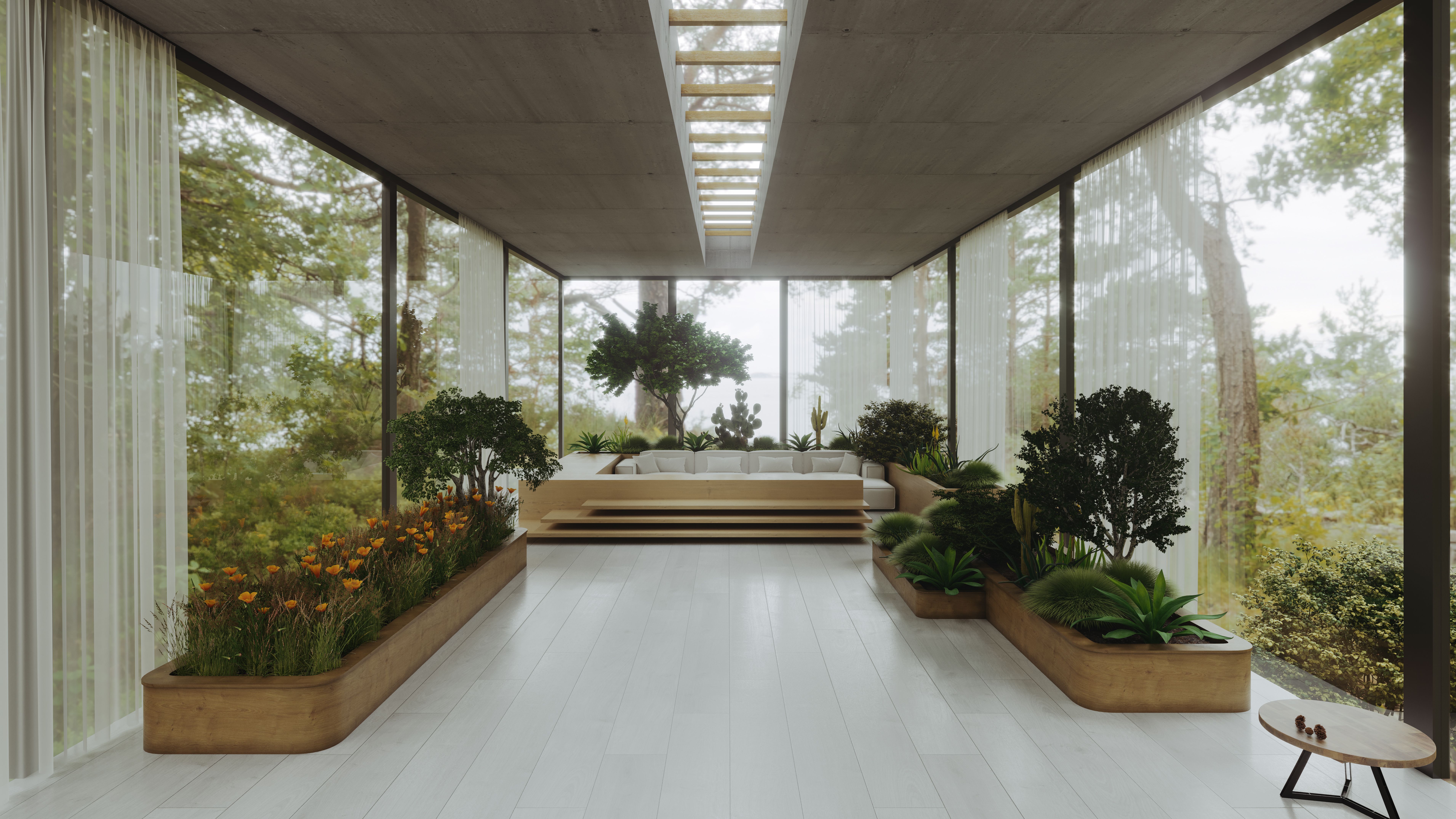
Natural light not only enhances the aesthetics of your home but also reduces the need for artificial lighting, thus saving energy. Design your space to maximize sunlight by using sheer curtains and strategically placing mirrors to reflect light throughout the room.
Consider installing skylights or enlarging windows in areas that require more illumination. This not only brightens up spaces but also provides a connection to the outdoors, fostering a sense of tranquility.
Energy-Efficient Appliances
Investing in energy-efficient appliances is another step towards a sustainable home. Modern appliances with high energy ratings consume less electricity and water, reducing your household's overall environmental impact. Look for Energy Star-rated products to ensure optimal efficiency.
Implementing Green Decor
Decor elements can also contribute to sustainability. Indoor plants are excellent for improving air quality and adding a natural touch to interiors. Choose low-maintenance varieties such as succulents or snake plants that thrive in indoor environments.
Furthermore, consider upcycling old furniture or decor items. With some creativity, you can give new life to pieces that might otherwise end up in landfills. This not only reduces waste but also adds a unique, personalized touch to your home.
Water Conservation Techniques
Water conservation is a critical component of sustainable living. Install low-flow faucets and showerheads to minimize water usage without compromising performance. Additionally, consider setting up a rainwater harvesting system for gardening or other non-potable uses.

The Role of Technology in Sustainability
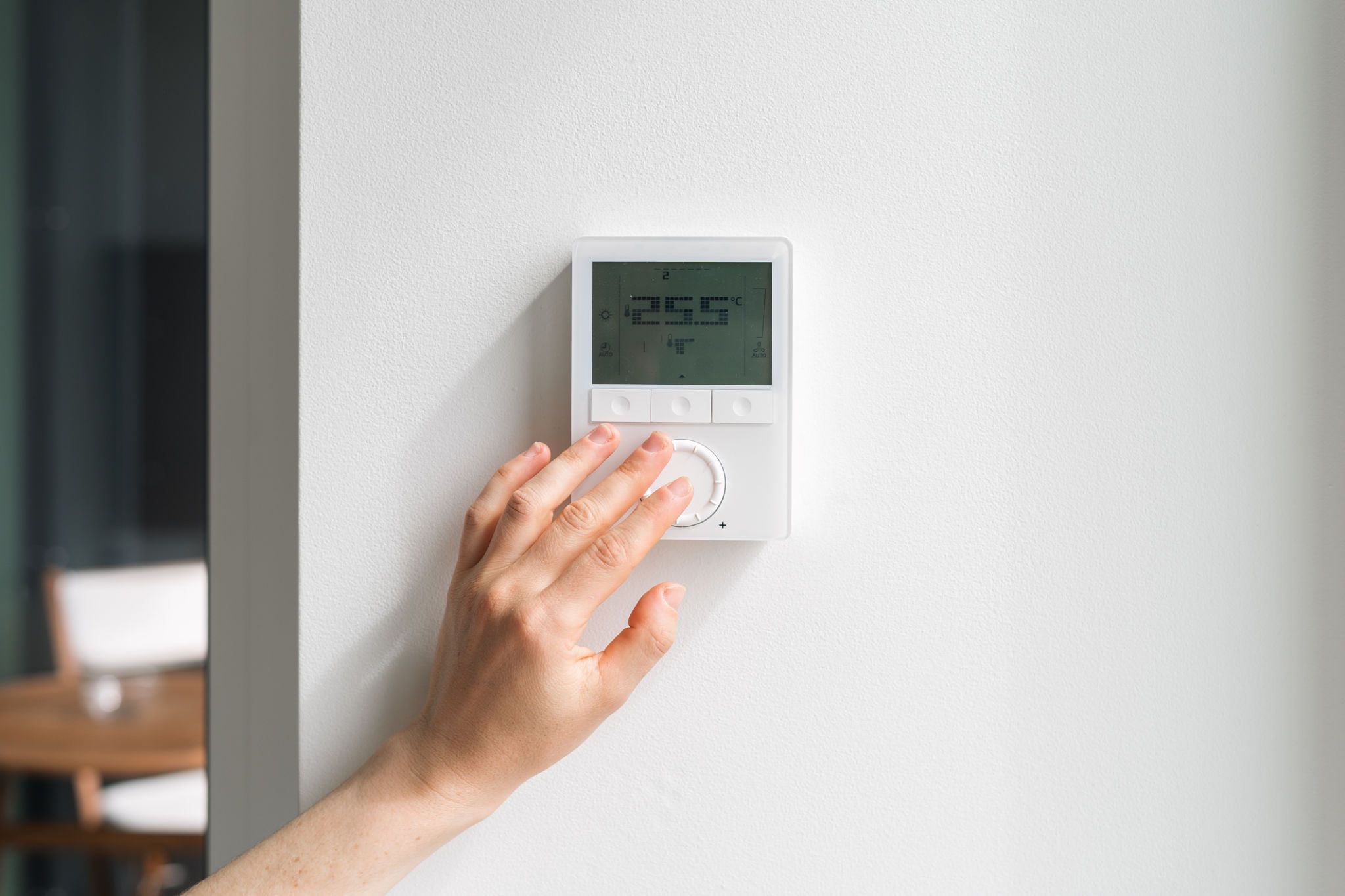
Smart home technology plays a significant role in sustainability by optimizing energy use. Smart thermostats, for instance, learn your routine and adjust heating or cooling accordingly, reducing wasteful energy consumption.
Similarly, smart lighting systems allow you to control lighting remotely or set schedules, ensuring lights are used only when necessary. These technologies not only enhance convenience but also contribute significantly to energy savings.
Conclusion: Creating a Sustainable Future
Adopting sustainable interior design practices is more than just a trend; it's a commitment to preserving our planet for future generations. By making informed choices about materials, lighting, appliances, and decor, Buckinghamshire residents can lead the way in creating homes that are both beautiful and environmentally responsible.
With each thoughtful decision, you contribute to a larger movement towards sustainability, demonstrating that style and environmental consciousness can coexist harmoniously.